Understanding Commercial Roofing Systems
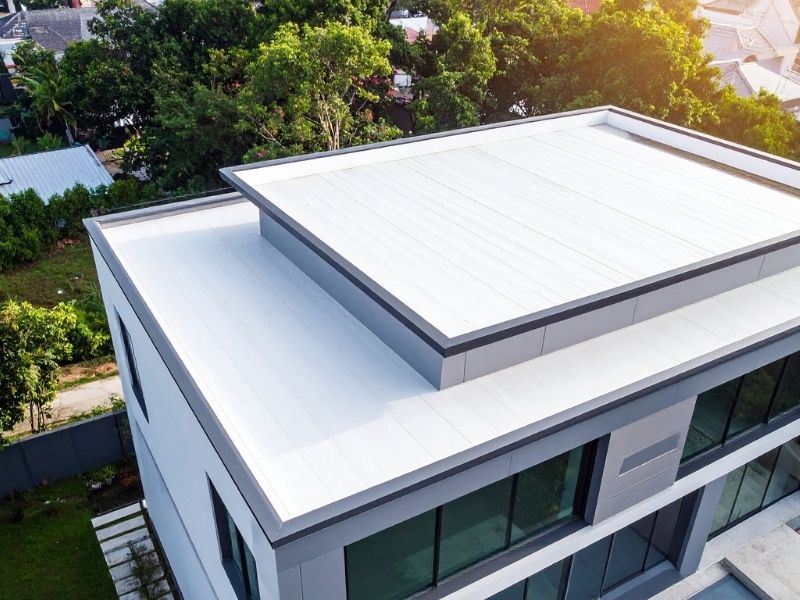
Commercial roofing differs significantly from residential systems in both structure and performance requirements. Most commercial flat roofing systems in Boston utilize TPO, EPDM (rubber membrane), modified bitumen, or built-up roof assemblies designed for low-slope drainage.
Between the 1950s and 1980s, Boston experienced major commercial development, particularly in neighborhoods like Back Bay, Somerville, and downtown Cambridge. Many of these buildings were constructed with low-slope or nearly flat roof decks supported by steel framing. Today, an estimated 70% of commercial properties in Boston rely on membrane-based roofing materials.
Industrial roof systems must account for:
Snow load requirements exceeding 30 pounds per square foot during heavy winters
Internal drainage systems designed to handle rapid snowmelt
HVAC equipment curb integration
Parapet wall and coping cap flashing protection
Wind uplift resistance for coastal exposure
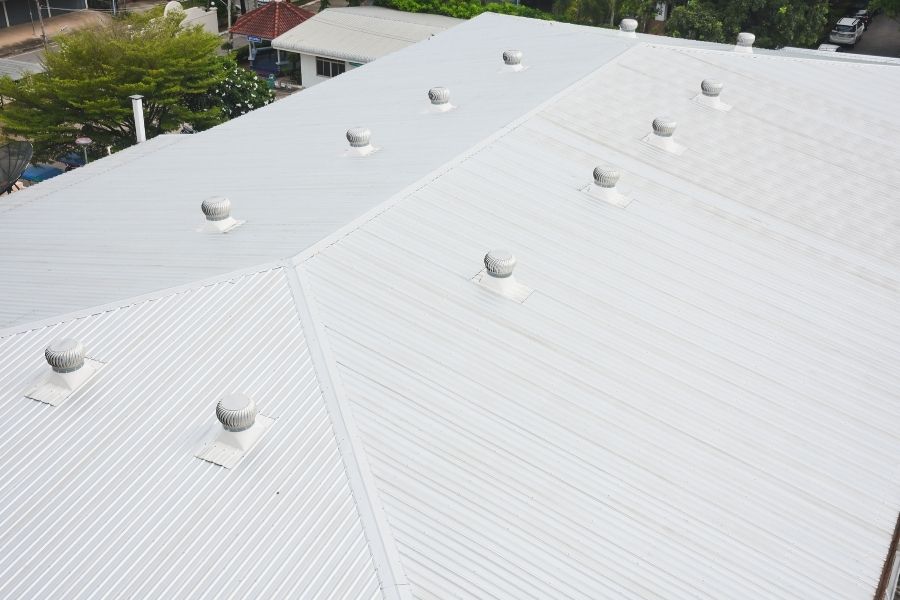
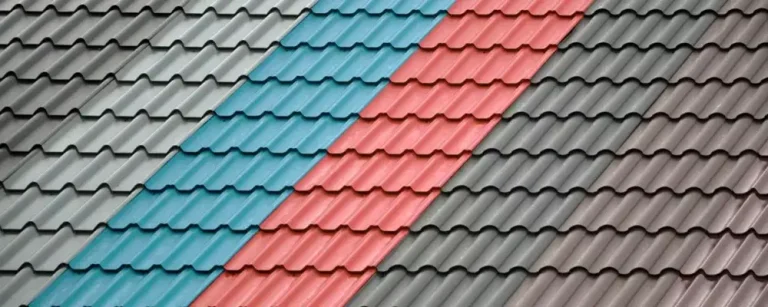
Commercial metal roofing is increasingly used on warehouses in Waltham and Brockton due to its durability and long service life.
Large building roof services require technical expertise because drainage failure or membrane separation can impact thousands of square feet at once.
Why Boston Commercial Buildings Need Specialized Roofing
Boston’s climate creates conditions that make proactive commercial roofing management essential.
Snow Load & Ponding Water
The Mechanism:
Boston averages nearly 49 inches of snow annually. Wet snow can weigh 15–20 pounds per cubic foot. On low-slope commercial flat roofing systems, melting snow can refreeze near drains or scuppers, causing ponding. When water remains on a membrane for more than 48 hours, seam stress increases and insulation can become saturated.
During the winter of 2015, multiple commercial structures in Cambridge experienced membrane failure due to prolonged snow accumulation.
Symptoms:
Visible standing water, interior ceiling leaks, insulation compression.
Boston-Specific Factors:
Older buildings in Somerville often have undersized drainage systems designed before current precipitation data models.
Coastal Wind Uplift & Edge Failure
The Mechanism:
Nor’easters regularly produce sustained winds exceeding 40 mph along Boston Harbor and Quincy Bay. Wind uplift pressures can exceed 30 pounds per square foot on exposed roof edges.
Symptoms:
Coping cap displacement, edge metal blow-off, membrane billowing.
Buildings near the waterfront require enhanced perimeter fastening systems.
HVAC & Equipment Penetration Leaks
The Mechanism:
Commercial properties in Newton and Medford frequently have multiple rooftop units. Vibration and expansion-contraction cycles compromise flashing seals at equipment curbs.
Symptoms:
Localized water infiltration near mechanical rooms.
Industrial facilities with large HVAC arrays are particularly vulnerable.
Freeze-Thaw Membrane Stress
The Mechanism:
Boston’s temperature fluctuations between 15°F and 45°F during winter create expansion and contraction stress in TPO seams and EPDM membranes.
Symptoms:
Seam separation, membrane brittleness, small punctures expanding over time.
Signs Your Commercial Property Needs Roofing Attention
Exterior Indicators
Standing water after 48 hours
Deteriorating parapet flashing
Blistering membrane areas
Interior Warning Signs
Urgent Structural Concerns
Immediate assessment is recommended to prevent widespread water infiltration.