Understanding Roof Replacement and Reroofing
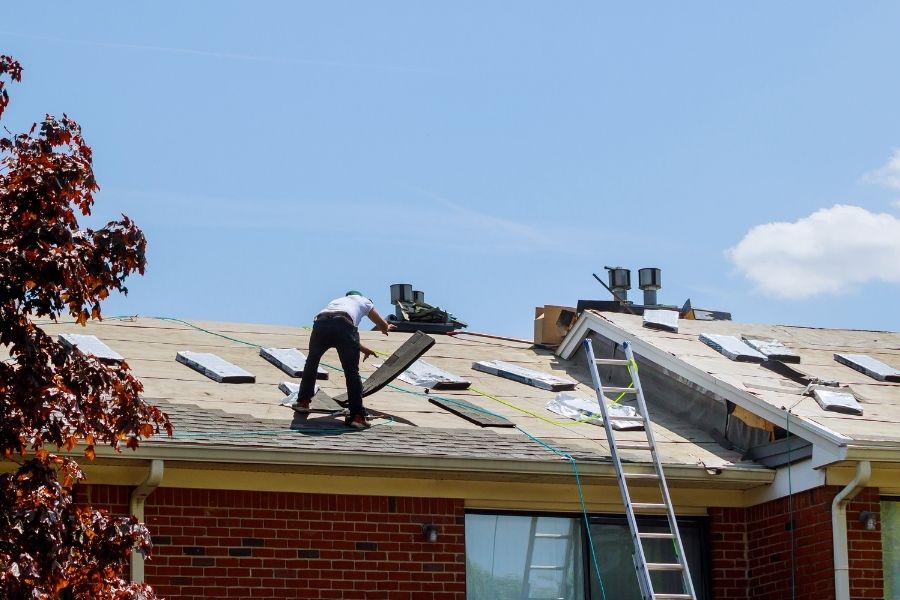
Roof replacement differs from minor repair because it involves removing existing shingles or membrane layers down to the decking, evaluating structural integrity, and installing a new roof assembly that meets current Massachusetts code. In Boston, this process often uncovers hidden decking rot caused by ice dam backup during winters such as 2015, when record snowfall exceeded 110 inches.
Historically, slate roofing dominated Boston’s late 19th-century homes in Back Bay and Beacon Hill. By the 1940s–1960s, asphalt shingles became the primary material in Somerville, Malden, and Cambridge. Today, approximately 65% of Boston’s residential properties rely on asphalt-based systems, while flat roof replacement is common on commercial buildings throughout downtown Boston and Cambridge.
Reroofing may involve:
Full tear-off and structural inspection
Decking reinforcement
Ice-and-water barrier upgrades
Improved attic ventilation
Installation of modern roofing materials suited to New England winters
A properly executed new roof prevents moisture intrusion and resolves underlying roofing problems such as ventilation imbalance and flashing deterioration.
Why Boston Homes and Buildings Need Roof Replacement
Boston’s coastal New England climate creates cumulative stress that makes roof replacement inevitable for many properties.
Freeze-Thaw Ice Dam Damage
The Mechanism:
When attic heat melts rooftop snow, water refreezes at colder eaves. Boston experiences frequent temperature swings between 20°F and 40°F during winter. Meltwater backs up under shingles, saturating decking. Over years, this repeated cycle deteriorates underlayment and wood sheathing.
Symptoms:
Ceiling stains, peeling paint, sagging drywall.
Boston-Specific Factors:
Triple-deckers in South Boston and older homes in Arlington often lack balanced ventilation systems, increasing ice dam formation risk.
Coastal Storm & Wind Exposure
The Mechanism:
Nor’easters produce sustained winds exceeding 40 mph, especially near Boston Harbor and Quincy Bay. Improper fastening patterns can lead to lifted shingles and wind-driven rain infiltration.
Symptoms:
Missing shingles, exposed felt, interior moisture after storms.
Structural Decking Deterioration
The Mechanism:
Prolonged moisture exposure leads to rotten fascia boards and weakened trusses. Homes in Brookline and Belmont built before 1960 often contain original wood decking vulnerable to long-term rot.
Symptoms:
Soft spots underfoot, sagging rooflines, uneven shingle surfaces.
Age-Related Material Breakdown
Asphalt shingles in Boston’s climate typically last 18–25 years. Freeze-thaw cycles accelerate granule loss. Many properties in Newton and Wellesley now require roof restoration or full replacement due to age combined with storm exposure.
Signs You Need Roof Replacement
Exterior Indicators
Interior Indicators
Water stains in attic after snowmelt
Mold growth on roof sheathing
Drafty upper floors in winter
Urgent Structural Signs
Roof visibly sagging after heavy snowfall
Multiple leaks during one storm
Emergency roof replacement needed after severe wind damage
If structural compromise is suspected, immediate inspection is recommended.
How We Perform Roof Replacement in Boston, MA
Step 1: Detailed Inspection (1 Day)
We assess decking, trusses, ventilation, and flashing. In Arlington and Cambridge, older framing often requires reinforcement.
Step 2: Complete Tear-Off (1 Day)
All existing layers are removed. Unlike states allowing multiple layers, Massachusetts typically requires full tear-off to meet code.
Step 3: Decking & Structural Repair (1–2 Days)
Rotten wood or compromised rafters are replaced. Snow load ratings exceeding 30 pounds per square foot are considered.
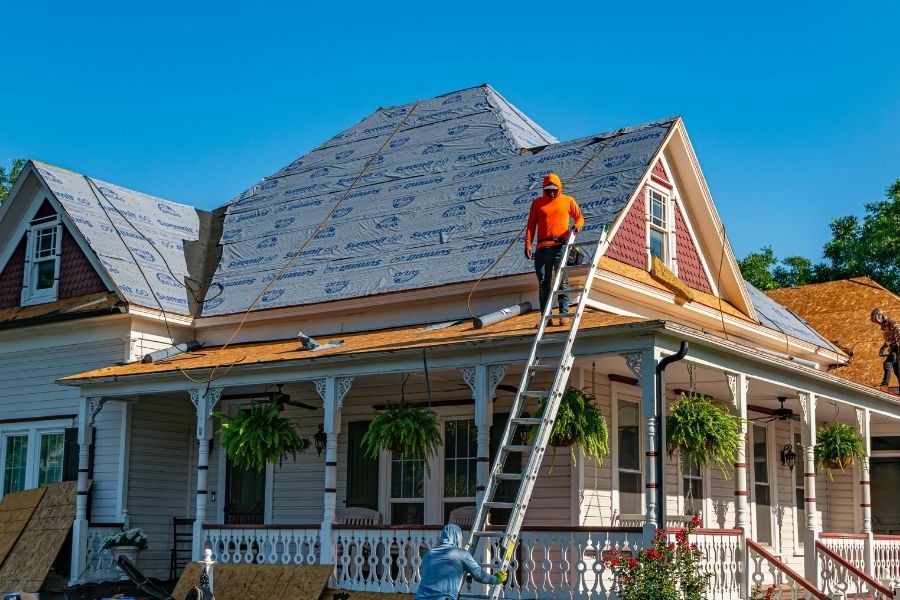
Step 4: Ice Barrier & Underlayment Installation (1 Day)
Full ice-and-water shield protection is installed per Massachusetts code.
Step 5: Surface Installation (1–2 Days)
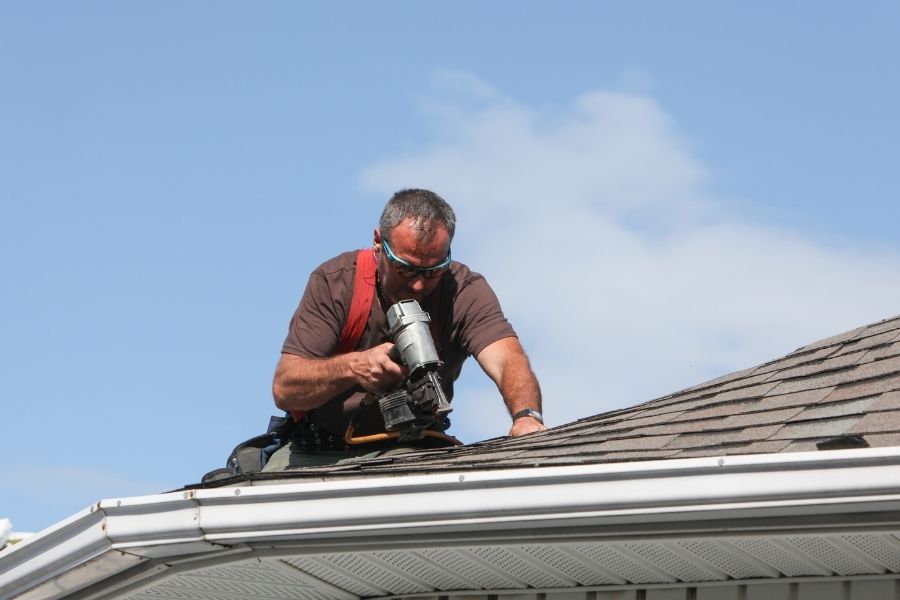
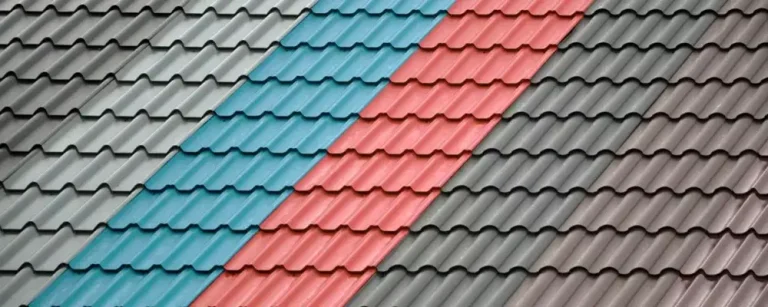
Architectural shingles, flat roof membranes, or metal systems are installed with proper wind-resistant fastening patterns.
Step 6: Ventilation Optimization
Balanced ridge and soffit vents prevent future moisture accumulation.
Step 7: Final Inspection & Cleanup
All debris removed; workmanship verified.
Typical timeline: 3–7 days depending on scope.